Anyone weighing a job offer against a longer journey, and the HR and recruitment teams who have to explain why a raise did not feel like one.
How it works
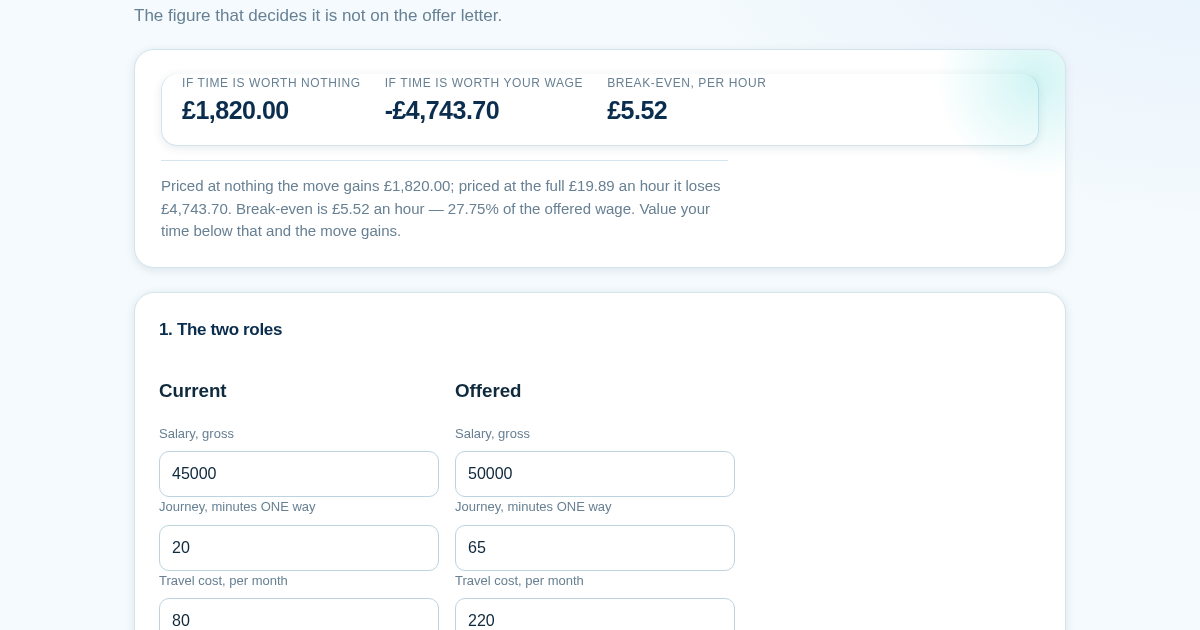
- Enter both roles: salary, one-way journey, monthly travel cost, any one-off costs.
- Enter your working year, contracted hours and deduction rate.
- Read the answer at 0% and at 100% — the two ends of the same offer.
- Compare the break-even hourly value against what an hour is actually worth to you.
What you gain
- Prices the one thing a job offer letter never states — the extra commute — and shows the same raise as a real gain or a real loss depending on that cost, with the exact break-even hourly value where it flips.
Screenshot
Technical details
How to set up & use
- Buy the license — your key (lic_...) appears on the order page and in your email.
- Sign in at app.synoriaai.com with your license key.
- No installation — the product runs in your browser, on your own isolated instance.
- 1. Enter your current gross annual salary, one-way commute minutes, and monthly travel cost, then click 'Save current role'.
- 2. Enter the offered gross annual salary, one-way commute minutes, and monthly travel cost, then click 'Save offered role'.
- 3. Set your tax deduction rate (as a percentage), the percentage of your hourly rate you value commute time at (0–100), and any one-off costs spread over expected years, then click 'Save settings'.
- 4. Review the results: the same offer shown as a gain and as a loss, plus the break-even hourly value—below it the move gains, above it the move loses.
Frequently asked questions
How is my commute time valued in the calculation?
You set a percentage (0–100) of your after-tax hourly rate for the offered role. That percentage is applied to the total round-trip commute hours to compute the monetary cost or benefit.
What happens if I enter a one-way commute over 12 hours?
The tool rejects it with an error, because entering a round trip in a one-way field is a common mistake. You must enter the actual one-way duration.
Does the tool use any tax tables or assume my tax rate?
No. You enter your own deduction rate, working year length, and contracted hours, since these vary by country, tax band, and contract type. The tool only uses what you provide.
Related products
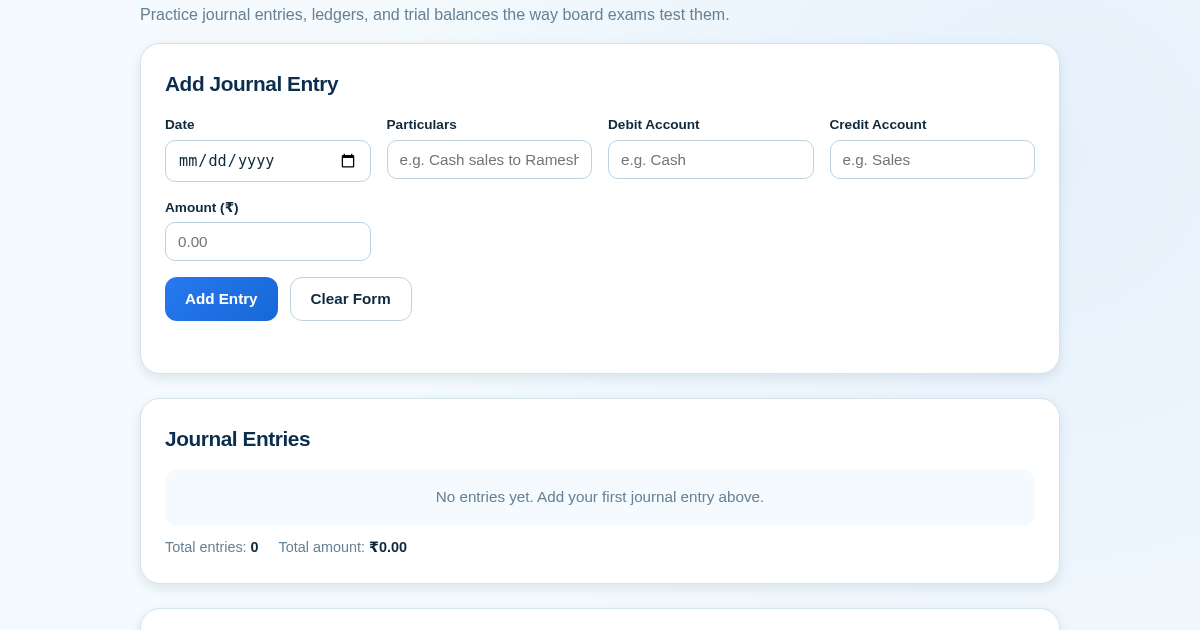
Ledger & Trial Balance Practice Tool
Commerce students in Class 10-12 need to practice journal entries and see how they flow into ledgers, trial balances, and balance sheets for board exams. This tool lets them enter transactions and instantly see the…
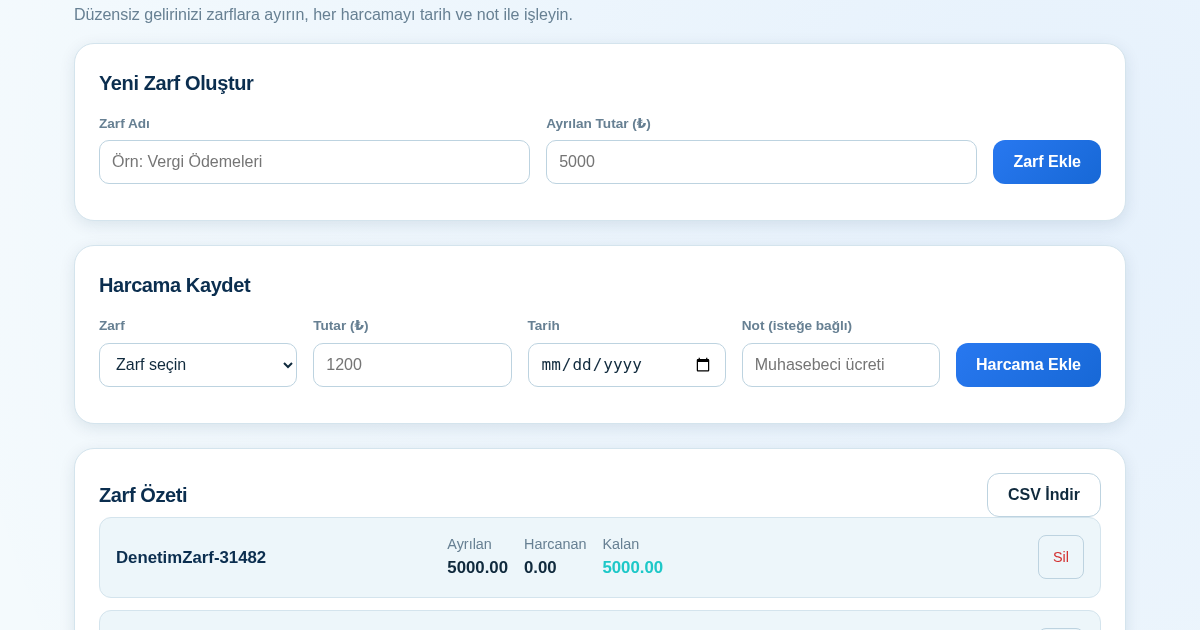
KASA - Serbest Çalışanlar İçin Zarf Bütçesi
Serbest çalışanlar düzensiz gelirlerini vergi, kira ve yaşam giderleri gibi zarflara bölerek bütçelerini düzenli tutabilir. Her harcamayı tarih ve not ile ilgili zarfa işleyerek ne kadar ayırdığını ve ne kadar…
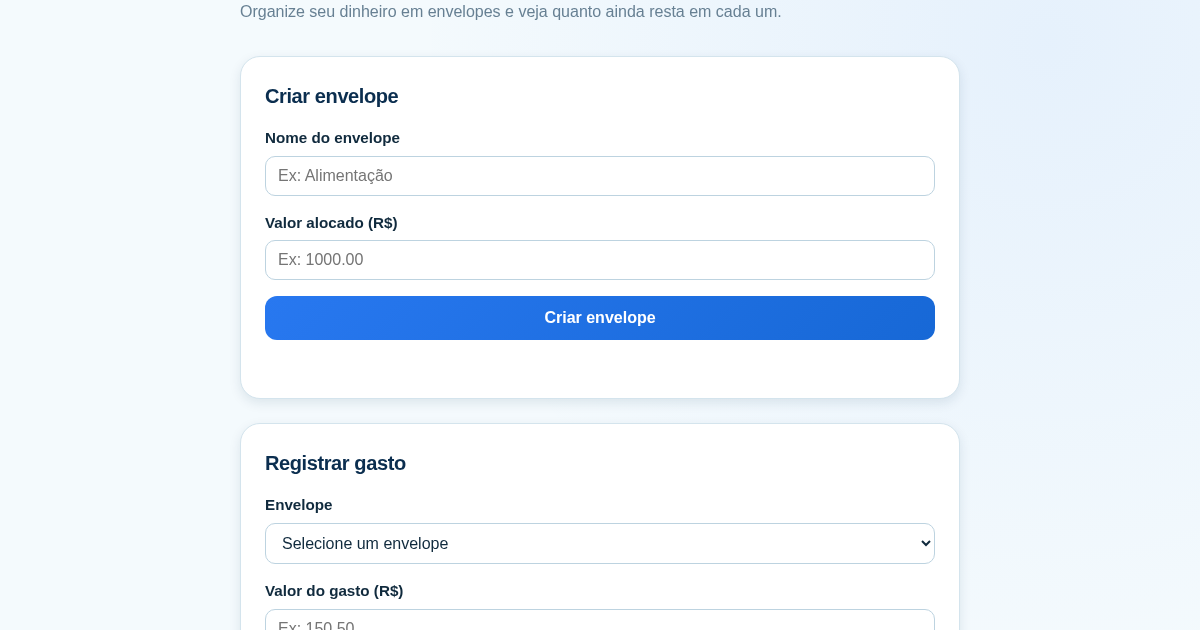
Calculadora de Orçamento por Envelopes (Pix)
Este aplicativo ajuda brasileiros a organizar seu dinheiro em envelopes de orçamento, como alimentação, transporte e lazer, sem precisar conectar uma conta bancária. Ele resolve o problema de controlar gastos do dia a…
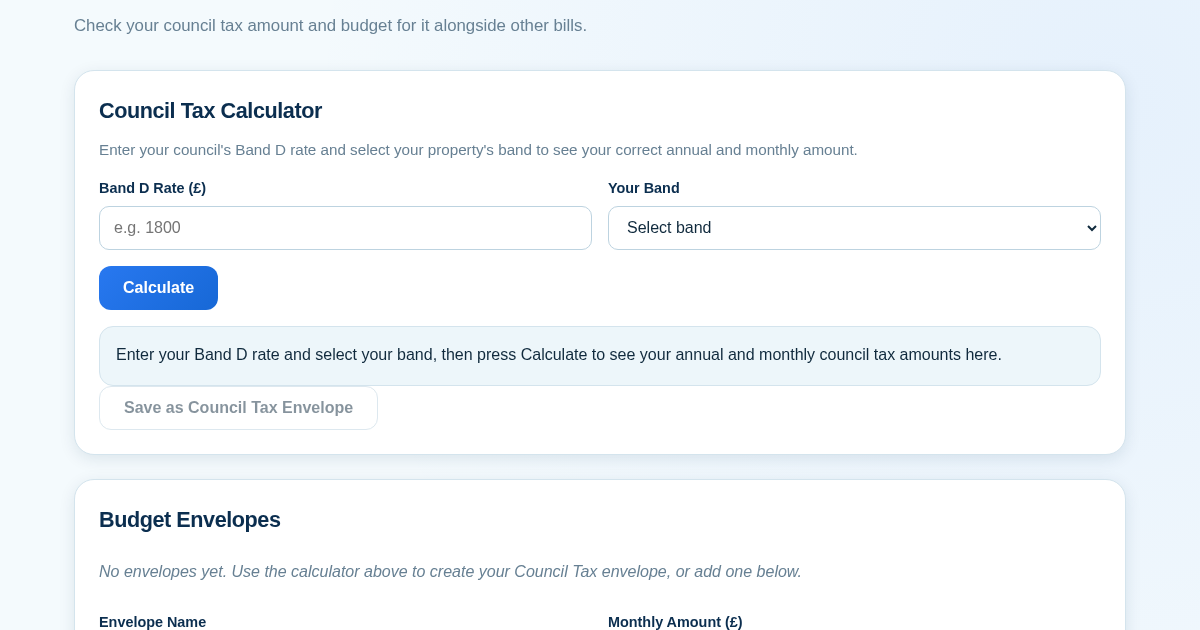
Council Tax Envelope Budget
This app helps UK residents verify they are paying the correct council tax amount for their property band by calculating it from their council's published Band D rate. It then provides a simple envelope-based budgeting…